

🇪🇸 ES🇬🇧 EN🇮🇹 IT🇫🇷 FR CA🇸🇦 العربية🇨🇳 中文🇯🇵 日本語🇰🇷 한국어
Tiramisù has no father: it has a lineage
The true story of the world’s most beloved Italian dessert, told without flags.
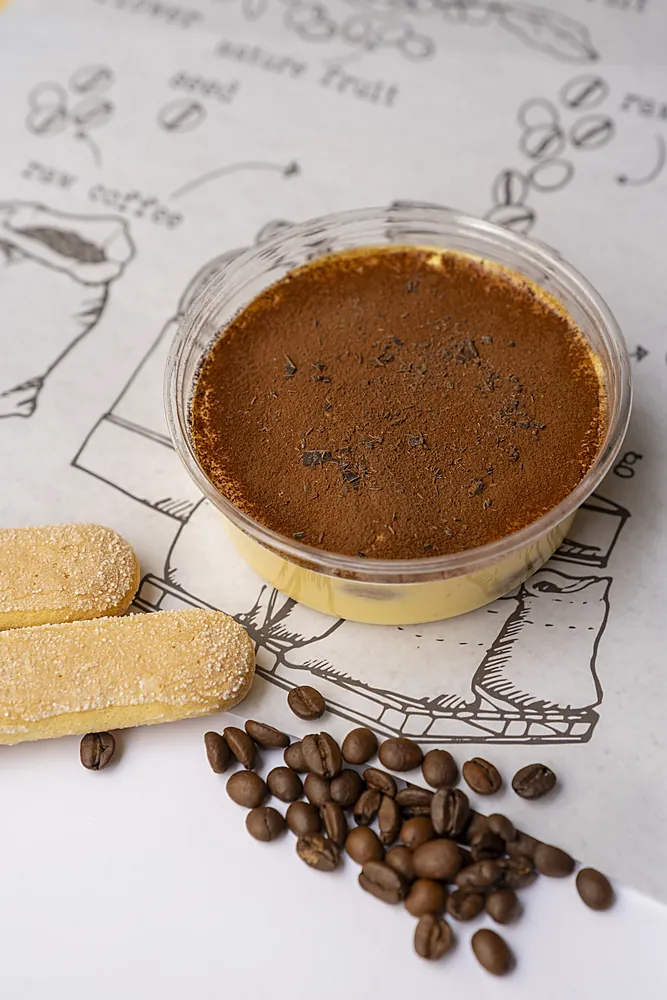
THE ORIGIN
At Tiramisù Life we are, above all, lovers of this dessert. When someone asks us who invented tiramisù, we feel no need to crown a single father. We prefer to tell something more beautiful and, moreover, truer: tiramisù is a synthesis — the union, over centuries, of the Italian feeling for things done well.
Almost nothing the world admires was born of a single hand. Like great ideas, tiramisù took shape gesture by gesture, in noble and peasant kitchens, in the Veneto and in Friuli, until a few hands gathered it all into the cup we recognise today.
A dessert that is a small map of Italy
If we gently take a tiramisù apart, each ingredient speaks of a different region. And the curious thing is that none of the main ones is from the Veneto, the land that gives it its name today.
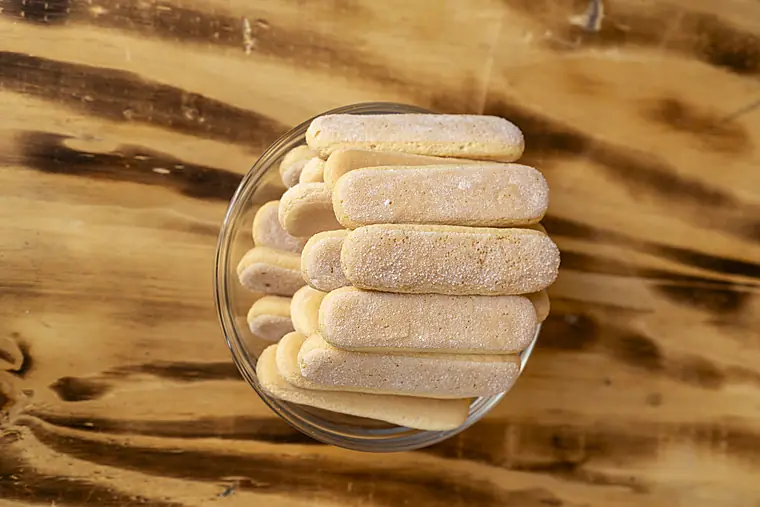
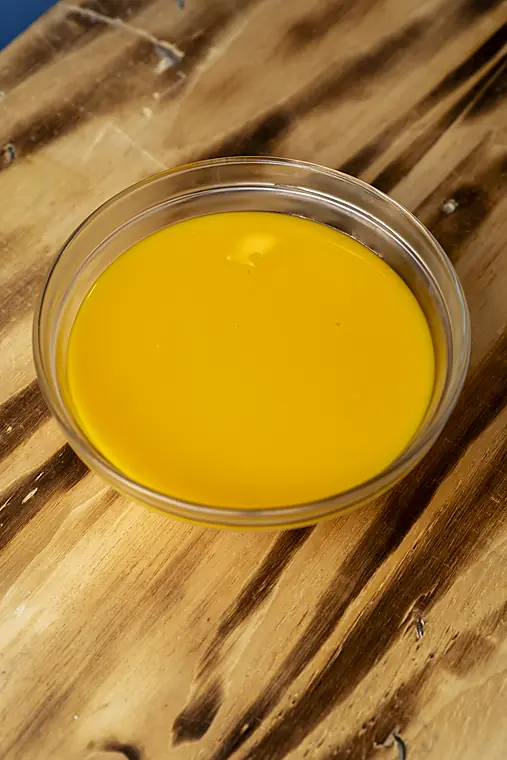
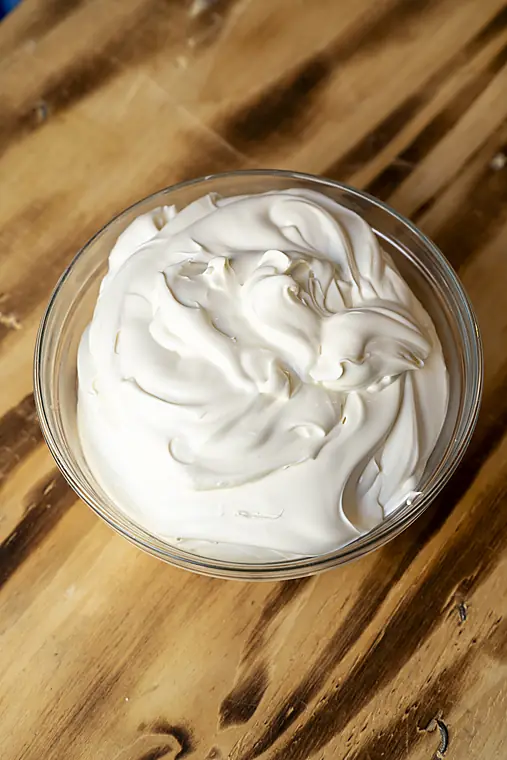
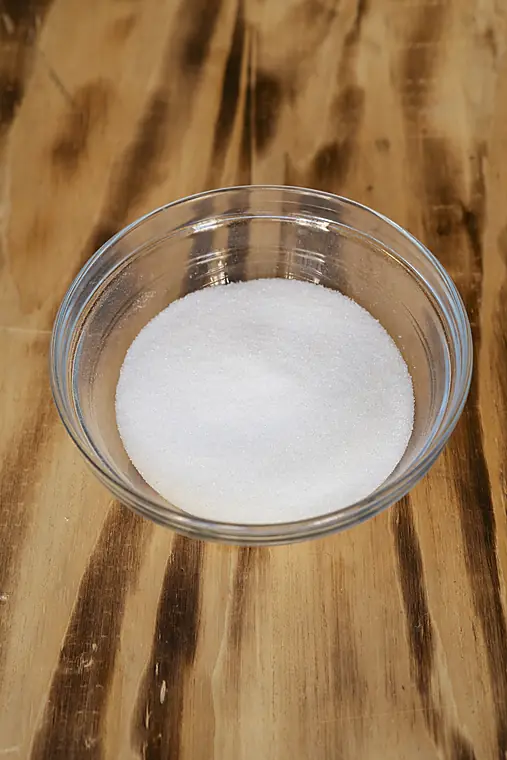
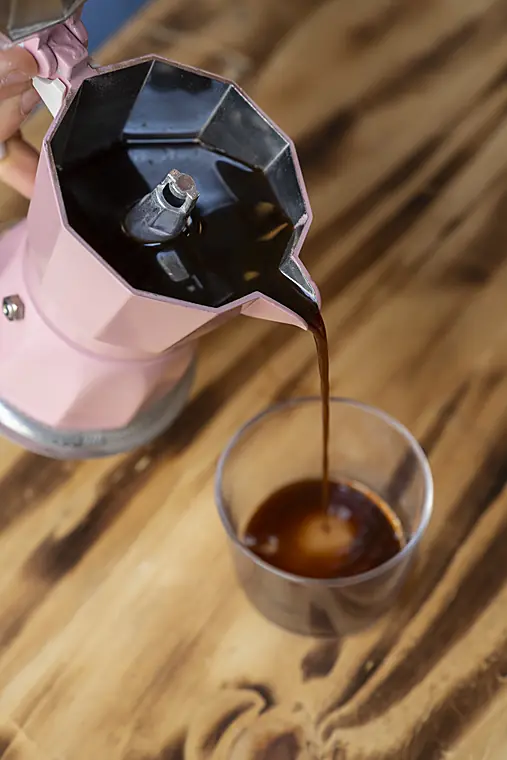
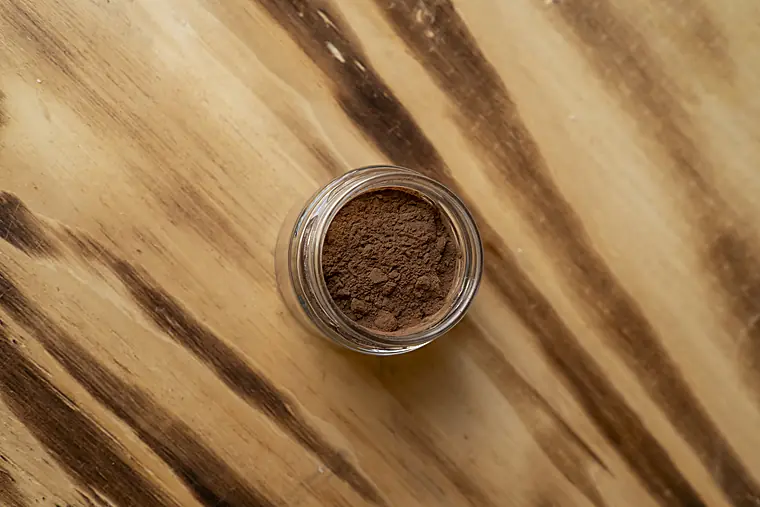
EACH INGREDIENT’S JOURNEY
It all begins with a humble gesture: the egg yolk whipped with sugar, the sbatudin that grandmothers in the north gave to children and the convalescent. Its refined cousin is the zabaione, codified in the courts of Turin (Piedmont) as early as the 16th century.
From that same Piedmont, land of the House of Savoy, come the savoiardi, created in 1348. The mascarpone is Lombard — it appears in writing in 1477. Sugar arrived from the East by Arab hands into Sicily, and Venice made it a business; through Venice also came coffee — whose bean is not Italian, but whose roasting is. And the cocoa, American, entered Italy through Turin in 1559.
• • •
The lineage, year by year
A river with many tributaries. These are the dates that explain it.
Renaissance
Sweetened mascarpone, an aristocratic treat of lower Lombardy.
1348
The savoiardi are born at the court of Amadeus VI of Savoy (Piedmont).
1477
First written mention of mascarpone (Pantaleone da Confienza).
1559
Cocoa reaches Turin with Emanuele Filiberto of Savoy.
1826
A cookbook already brings together egg, sugar, mascarpone and sponge.
19th c.
Austrian Marca Trevigiana: the noble Tiretta–Salsa lineage (Giuseppina Tiretta, 1829–1917).
1930s
Magazines publish mascarpone creams with coffee and with savoiardi.
1951
Friuli: Norma Pielli and Beppino Del Fabbro rework the ‘Dolce Torino’ at the Albergo Roma in Tolmezzo.
1952
Albergo Roma menu: the dessert appears as ‘Trancia al mascarpone’ — the oldest dated document.
1968
Giovanni Comisso passes the family memory to Professor Manlio Brusatin.
1969–1972
Treviso, Alle Beccherie: Alba Campeol and Roberto ‘Loli’ Linguanotto fix the canonical version and the name ‘Tiramesù’.
1981
Giuseppe Maffioli publishes the Treviso recipe.
2010 · 2017
Notarial deposit by the Accademia (Treviso) · PAT recognition in Friuli.
• • •
Those who made it possible
Not one father, but several mothers and fathers, in two regions and two centuries.
The Campeol family · Loli Linguanotto
Treviso · 1969–1972
At the Alle Beccherie restaurant, Alba Campeol and pastry chef Roberto ‘Loli’ Linguanotto (1943–2024) codified the version that travelled the world, starting from the sbatutìn the mother-in-law made for Alba. Their recipe is registered with the Accademia Italiana della Cucina (private) and was spread by Giuseppe Maffioli in 1981. The most famous — though the Veneto obtained no official seal.
The Tiretta–Salsa–Comisso lineage
Treviso · 19th century
Trevisan nobility. Giuseppina Tiretta (1829–1917), descendant of Count Odoardo Tiretta —Casanova’s rival—, was devoted to a dessert she called ‘tìrame-sospiro-sù’. Her grandson, the writer Giovanni Comisso (1895–1969), passed the family memory to Professor Manlio Brusatin in 1968. The oldest root, told as memory.
Norma Pielli · Beppino Del Fabbro
Friuli · Tolmezzo (Carnia)
At the Albergo Roma —which they ran from 1947 to 1969— Norma reworks the ‘Dolce Torino’ with mascarpone and savoiardi soaked in coffee; her husband Beppino gives it its name. The oldest document is a menu of 9 April 1952, where it appears as ‘Trancia al mascarpone’. The Carnic version, officially recognised.
Mario Cosolo · Al Vetturino
Friuli · Pieris (Gorizia)
A pastry chef trained at Trieste’s Pirona. His Coppa Vetturino —a zabaione semifreddo— he serves at the family restaurant Al Vetturino from 1939, and renames it ‘Tirime su’ in 1947. The Gorizian version, officially recognised.
WHERE THE EVIDENCE LIES
The only official recognition by a government is Friuli-Venezia Giulia’s: the Ministry entered tiramisù —in its two Friulian versions, Carnic and Gorizian— into the list of Traditional Agri-food Products, by decree published in the Gazzetta Ufficiale on 29 July 2017. Treviso, by contrast, holds the private registration of its recipe with the Accademia Italiana della Cucina and the greatest media fame, but the Veneto obtained no official seal. We tell it as it is: the fame is Trevisan; the official seal, Friulian; and the root, choral.
TWO WAYS OF TELLING IT
Two ways of telling this story coexist, without quarrelling. There is what is told — the memory of the Tiretta and the Salsa that Comisso recalled as a child, or the sbatutìn of Alba Campeol’s mother-in-law. And there is what was written and deposited — the recipe protected by the Accademia Italiana della Cucina in 2010, and the Friulian recognition of 2017. One moves you; the other documents. We offer both, always saying which is which.
Treviso’s genius: to unite
Piedmont gave the sponge and the whipping; Lombardy, the cheese; Venice, the coffee and the sugar; America, the cocoa. What Treviso gave was the hardest thing: the union — gathering the pieces, swapping the liquor for coffee and giving it an irresistible name, tiramisù: ‘lift me up’.
In the heart of Barcelona’s Eixample we make it fatto a mano. We don’t just serve a dessert: we serve il sentimento d’Italia.
OUR POINT OF VIEW
At Tiramisù Life, after studying in depth the different points of view about our favourite dessert, this is what we think. There were precursors —like the Albergo Roma’s ‘Trancia al mascarpone’—, but they were rather prototypes, not the tiramisù we know today. Over the years the recipe was refined, and the one who spread it to the whole world as the tiramisù we recognise was Treviso, in the Veneto. Even so, for us the tiramisù remains the union of several regions —Lombardy, Piedmont, Friuli and the Veneto—. We draw inspiration from all this knowledge and make our own version, here in Barcelona; and in the end, the one who decides whether it’s a good tiramisù is you, when you taste it. And the story goes on.
Come and taste our artisan tiramisù →
How to reach us from the landmarks →
© 2026 Pasta Life · Tiramisù Life. Original text and photography. All rights reserved.